

What Is Lead Generation in Digital Marketing?
- Integrated Digital Marketing
- Marketing Strategy
 Jun 26, 2025

 Share
Share In today’s competitive digital landscape, simply having a website or social media presence isn’t enough. To grow your business, you need a steady pipeline of qualified prospects who are interested in what you offer. That’s where lead generation comes in.
Lead generation in digital marketing refers to the strategies and tactics used to attract potential customers and move them toward a purchase. Rather than waiting passively for the perfect buyer to show up, modern businesses use targeted digital tools to spark interest, capture attention, and guide users into taking meaningful actions, like filling out a form, booking a consultation, or making a purchase.
How Digital Marketing Generates Leads
 Digital marketing uses a blend of tools and platforms to reach the right audience at the right time. Here’s how each core channel plays a role in generating high-quality leads:
- Search Engine Optimization (SEO): Helps your business appear in search results when prospects are actively looking for solutions, increasing organic visibility and credibility.
- Pay-Per-Click (PPC) Advertising: Drives immediate traffic to landing pages designed to convert, perfect for targeting specific buyer intents or time-sensitive offers.
- Social Media Marketing: Builds trust and engagement with audiences by fostering authentic conversations and showcasing brand personality.
- Email Marketing: Nurtures leads over time by delivering relevant content, promotions, and updates directly to their inbox.
- Content Marketing: Provides educational, helpful, or entertaining content that addresses your audience’s pain points, establishing your brand as a trusted resource.
Why Strategic Lead Generation Matters
Without a strategy, even the most sophisticated marketing tools fall flat. A well-defined lead generation strategy ensures your efforts are focused, intentional, and aligned with real business goals, not just vanity metrics like clicks or impressions.
Strategic lead generation starts with deeply understanding your audience: who they are, what problems they’re trying to solve, how they behave online, and what motivates their decisions. This insight forms the foundation for crafting messaging, offers, and campaigns that speak directly to their needs.
Before launching any campaign, it’s critical to answer questions like:
- Who is our ideal customer?
- What type of content or messaging will genuinely connect with them?
- Where do they spend their time online, and how do they prefer to engage?
- What key performance indicators (KPIs) define success?
Taking the time to address these questions ensures that every dollar spent on marketing has purpose. Strategy isn’t about guesswork. It’s about building intentional pathways that guide prospects from discovery to conversion. When done right, it turns fleeting interest into measurable, repeatable results.
How Analytics Helps Improve Lead Generation Performance
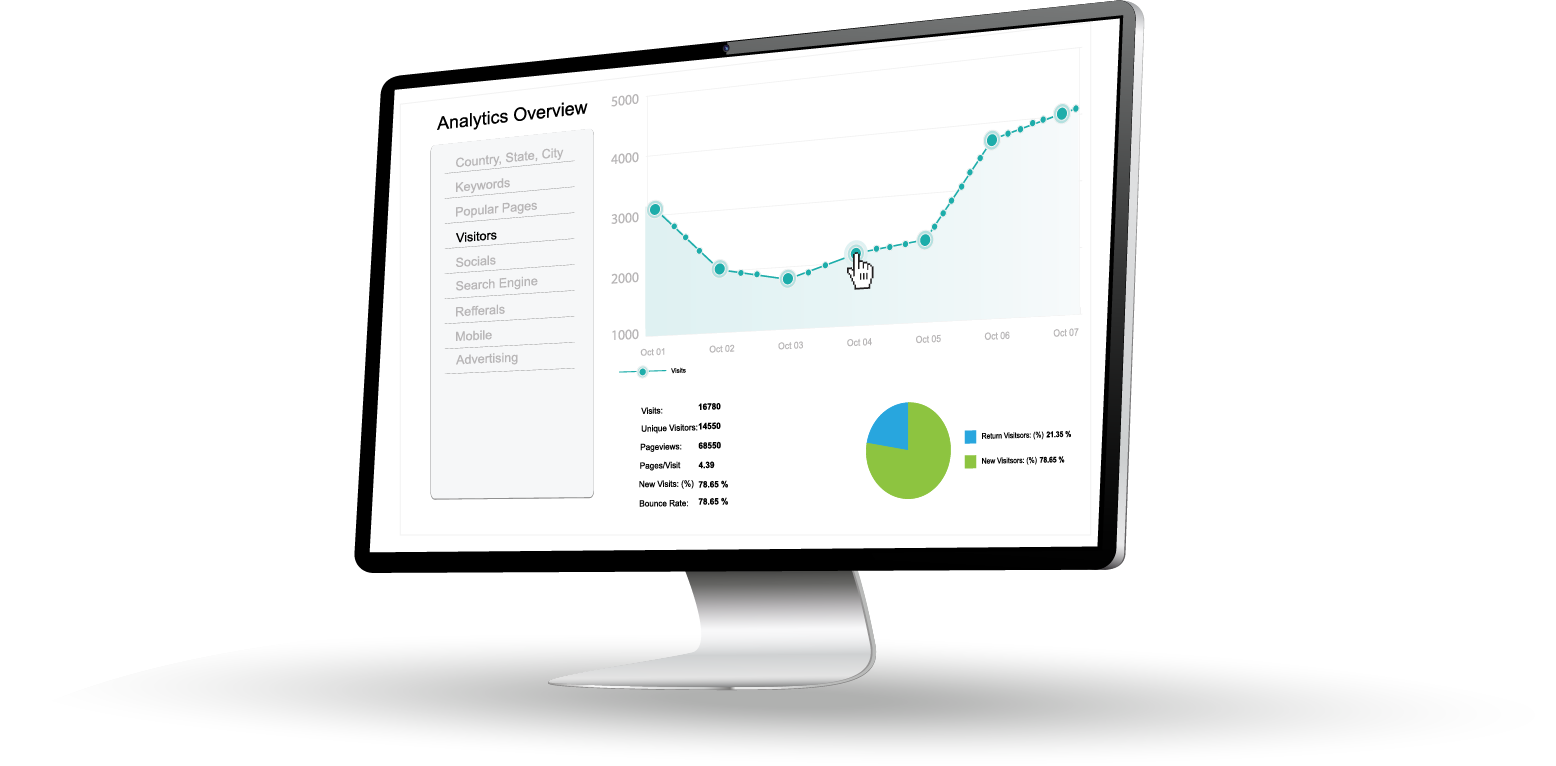
Analytics are the engine behind effective digital marketing. They tell you how your campaign performed and help you understand why it performed that way and how to improve it moving forward.
For example, if a landing page is getting traffic but not converting, heatmaps and session recordings can reveal where users are getting stuck. If one version of your email consistently outperforms another, A/B testing results can pinpoint the subject lines, calls to action, or images that drive better engagement.
Beyond clicks and open rates, modern analytics platforms allow you to:
- Track conversion paths across multiple devices and sessions
- Identify drop-off points in your lead funnel
- Attribute revenue to specific campaigns or channels
- Segment your audience based on behavior, geography, or lifecycle stage
The result? Smarter decision-making. With data guiding your strategy, you can refine your messaging, reallocate your budget to high-performing channels, and scale what’s working—all without wasting time or money on tactics that miss the mark.
Integrated Marketing Strategies for Seamless Lead Generation
Using individual marketing channels, like SEO, PPC, social media, or email, can bring results on their own. But when those efforts operate in isolation, you miss out on the bigger impact a unified strategy can deliver. That’s where integrated marketing comes in.
Integrated lead generation means your channels are working together to guide prospects through a cohesive journey. From first click to final conversion, every touchpoint is connected, consistent, and purposeful.
For example, a prospect might:
- Discover a blog post through Google search (SEO),
- See a follow-up retargeting ad on Facebook (social),
- Click through to a landing page tailored to their interests (PPC),
- Then receive a nurturing email sequence that answers their questions and encourages them to take action.
Instead of fragmented interactions, your brand delivers a seamless experience that builds trust, reinforces messaging, and increases the likelihood of conversion. Integrated campaigns also allow for better tracking, stronger brand consistency, and more efficient use of your budget by making each channel amplify the others.
By aligning platforms under a single strategy, businesses can create a lead generation engine that scales—one that meets customers where they are, at every step, and moves them forward with clarity and confidence.
Tailoring Lead Generation to Your Ideal Customer
Tailoring your approach to your ideal customer means digging deeper than demographics. It’s about understanding their motivations, pain points, and the triggers that prompt them to take action. What keeps them up at night? What objections do they have? What kind of language resonates with them?
Instead of casting a wide net with generic messaging, personalized campaigns create one-on-one experiences at scale. This might involve:
- Dynamic landing pages that reflect specific user interests
- Email sequences that adjust based on previous engagement
- Retargeting ads that align with past behavior or funnel stage
- Content tailored to industry, role, or purchase intent
When prospects feel like your brand truly “gets” them, they’re far more likely to engage. Personalization builds relevance, and relevance drives results.
Start Generating Leads That Grow Your Business Today!
At Blueprint Digital, we help businesses turn website traffic into qualified leads through tailored, data-driven marketing strategies. From SEO and PPC to social media and analytics, our multi-channel campaigns are built to deliver measurable results and long-term success.
Ready to grow? Schedule a discovery call or request your free campaign review today.
Ready to Dominate Online and Grow Your Business?
Schedule time to connect with Blueprint about your online goals, or request a free review of marketing campaigns.
Related Posts

What Is Automated Lead Follow-Up and How Does It Work

Free Advertising for Nonprofits Through Google Ad Grants

Lead Scoring for B2B: How to Decide Which Leads Your Sales Team Chases



Partner with BLUEPRINT to reach your online goals, grow your business and reshape your story.
Get in touch with BLUEPRINT
Reach out to request a discovery call, a free campaign review, or for all other inquiries.