



 Share
Share Big Business Social Vs. Small Shop Social
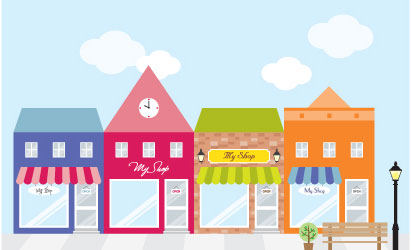
There is a lot of evidence to support the idea that social media is good for businesses, in terms of generating leads, creating buzz, connecting with consumers and making sales. However, most of this data supporting these claims is taken from huge firms with brand recognition and large marketing efforts outside of social. So the question is what does this mean for the small businesses and mom-and-pop shops looking to move themselves into the 21st century with social media marketing? It means that there is different ways to look at social media marketing for companies that don’t have the budget or ability to advertise on other mediums. The idea is the same but the practice is different.
How the Big Guys do it
For the most part, a company can gain a huge following on social media is by leveraging its brand name. A known brand then entices people to add, like, or follow them by offering something. It can give promotions to those who join there page or have a contest if you retweet or follow them, something to get the public in the door. These companies also use there other marketing mediums such as TV or print to drive traffic to their social, as well as expensive large-scale paid ads on the social media sites themselves. Next, they try to retain their new followers by offering something interesting in the form of good content. As well as trying to interact with their customer base to get shares to grow that base even farther. Nothing crazy and it seems very obvious, but it’s the normal plan that seems to work.
How come we cant too?
The problem with small businesses trying to do social is most of the time these small businesses go about their social in the exact same way as the big brands. The tragic downfall is that a small business cannot leverage their brand the way that Coke can. Also, small businesses don’t have the money to drive people to their social accounts through contests and ads. So there will not be an explosion of new friends and followers all at once.
So what should these businesses do? …. Take it slow!!!
A small business should take their social media like they do their day-to-day real world business operations and take it one client at a time. They need to tell their customers to add them when they’re doing business in the real world, to slowly grow their social like they would their personal social media profiles. A good goal is to talk to new followers on a personal level, to build strong connections and grow better interactions. Also, it’s important to keep posting fun and interesting material. Over time this slow drip of users connecting to your social pages well leave any business with a nice size pool of friends and followers to work with.
Takeaways
– People don’t just want to follow any random small business
– Unknown companies need to connect with people on a personal level
– Slowly grow an active following
– Always post interesting and fresh content!
Ready to Dominate Online and Grow Your Business?
Schedule time to connect with Blueprint about your online goals, or request a free review of marketing campaigns.
Related Posts

What Is Automated Lead Follow-Up and How Does It Work

Free Advertising for Nonprofits Through Google Ad Grants

Lead Scoring for B2B: How to Decide Which Leads Your Sales Team Chases



Partner with BLUEPRINT to reach your online goals, grow your business and reshape your story.
Get in touch with BLUEPRINT
Reach out to request a discovery call, a free campaign review, or for all other inquiries.