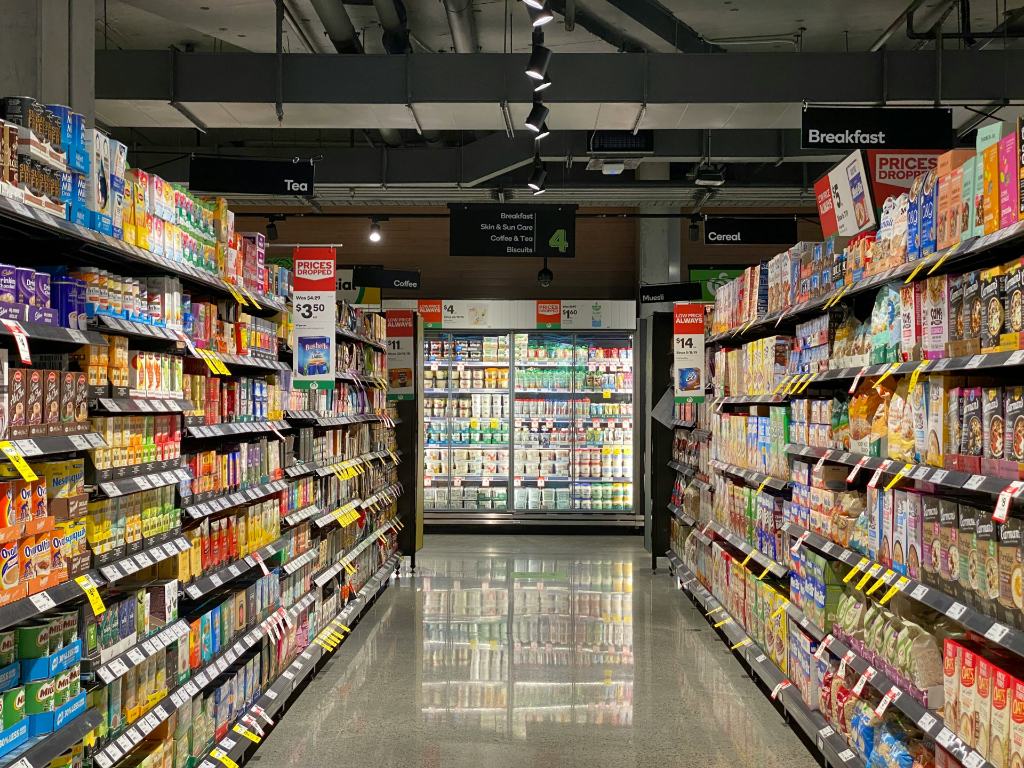

For food and beverage companies, the answer shapes how products get seen, understood, and chosen in a crowded market. When the marketing is clear and connected, it becomes easier to build interest, support sales, and stay top of mind with the right buyers.
What Is CPG Marketing And Why Does It Matter In The Food And Beverage Industry
CPG marketing is the strategy behind how packaged products are positioned, presented, and promoted to support awareness, purchase, and repeat sales. In food and beverage, that includes brand messaging, packaging, retail support, digital visibility, and retention efforts that help the product stay relevant after the first purchase. It also helps explain why digital marketing for food and beverage companies is playing a larger role in how brands compete and grow.
Its value comes from how closely it supports growth. Food and beverage brands need marketing that helps buyers understand the product quickly, trust what they see, and feel confident choosing it again. When that strategy is well built, it can strengthen launch performance, improve visibility across sales channels, support retail momentum, and create more consistency in how the brand reaches and converts buyers.
The Core Components Of A CPG Marketing Strategy
A strong CPG marketing strategy gives food and beverage brands a clearer framework for how to present, support, and grow their products over time. When the core pieces are aligned, marketing becomes easier to manage and more effective across retail and digital channels, as well as repeat-purchase efforts.
Brand Positioning And Product Story
Positioning shapes how the product is understood in the market. In food and beverage, that often comes down to taste, ingredients, convenience, value, or a distinct point of view. A clear product story gives direction to messaging and creative, which helps the brand feel more consistent and easier to remember.
Packaging And Visual Identity
Packaging is one of the first ways a food and beverage brand communicates value. It influences how the product is read on the shelf, on retailer pages, and across digital campaigns. When packaging and visual identity are aligned, the brand feels more cohesive and easier to recognize.
Retail And Distribution Support
Marketing also needs to support the product where it is sold. That includes retailer listings, product detail pages, launch materials, merchandising support, and promotional assets. These elements help the product show up clearly in the buying environment and support stronger purchase intent.
Digital Marketing And Demand Generation
Digital marketing helps food and beverage brands stay visible across search, paid media, content, social platforms, and e-commerce channels. It plays a direct role in discovery and buyer action. When these efforts are connected, they support steadier demand and a stronger market presence.
Retention And Repeat Purchase
Retention supports what happens after the first sale. In the food and beverage industry, repeat purchases show that the product is earning a place in the customer’s routine. Email, SMS, loyalty programs, subscriptions, and follow-up campaigns can help keep the brand familiar and encourage another purchase.
Measurement And Optimization
Measurement helps brands understand what is performing well and where results can improve. It gives teams a clearer view of buyer response across campaigns and channels. Optimization turns those insights into better messaging, smarter decisions, and stronger performance over time.
How CPG Marketing Works In The Food And Bev Buyer Journey
CPG marketing is easier to understand when viewed through the lens of the buyer journey. In the food and beverage industry, people move through a series of decisions that shape how they notice a product, evaluate it, buy it, and return to it.
- Discovery: At this stage, the goal is simply to enter the buyer’s field of view. That can happen in stores, on retailer platforms, through search activity, or through social and paid placements.
- Consideration: Once the product is noticed, the buyer starts forming an opinion. They are looking for cues that make the product feel relevant, appealing, and worth trying.
- Purchase: This is the moment where interest turns into action. The product needs to feel easy to buy, easy to understand, and easy to choose without unnecessary friction.
- Repeat Purchase: After that first sale, the focus shifts to staying familiar. Continued exposure and timely follow-up can help turn initial interest into a stronger buying pattern.
This view of the buyer journey helps food and beverage companies see how marketing supports movement from one stage to the next, rather than treating each interaction as a separate effort.
The Digital Channels That Strengthen CPG Marketing
Digital channels help food and beverage brands stay present across the moments that influence product interest and purchase. They give companies more ways to support visibility, shape buyer response, and stay connected after that first interaction.
- SEO helps brands appear in searches related to products, ingredients, recipes, comparisons, and brand research.
- Paid media supports faster reach through search, social platforms, video, display, and retail media placements that can keep products in front of the right audience.
- Email and SMS help carry that momentum forward after the first purchase or site visit, supporting launches, promotions, reminders, and repeat sales in a way that keeps the brand familiar over time.
When these channels are aligned, they create a stronger digital system around the product and help marketing efforts work together more effectively.
Read: How to Build a B2B Keyword Strategy for Food and Beverage Marketing
How Food And Beverage Brands Measure CPG Marketing Success
Strong CPG marketing is measured across visibility, conversion, and retention, so brands can see how marketing is influencing growth at different stages. This gives teams a clearer view of what is gaining traction, what is driving action, and what is helping turn first purchases into longer-term value.
- Visibility Metrics: At the top of the funnel, brands often look at branded search growth, organic traffic quality, reach, impressions, and product page traffic to understand how easily the product is being found.
- Conversion Metrics: Closer to purchase, metrics such as click-through rate, conversion rate, return on ad spend, and cost per acquisition help show how well interest translates into buyer action.
- Retention Metrics: Over time, repeat purchase rate, average order value, customer lifetime value, email revenue, and SMS engagement can help reveal how strongly the brand is holding attention after that first sale.
When these metrics are reviewed together, food and beverage companies can make better decisions about where to refine strategy, where to invest more confidently, and how marketing is contributing to growth.
Drive Stronger CPG Growth With Blueprint Digital
For food and beverage companies, strong CPG marketing helps create a clearer path between product visibility and business growth. When the strategy is aligned, it becomes easier to build buyer interest, support purchase decisions, and create stronger momentum over time.
Blueprint Digital helps food and beverage brands build marketing programs that connect visibility, buyer action, and long-term growth. By bringing SEO, paid media, website performance, email and SMS into a more unified strategy, we help brands create clearer paths to discovery, stronger engagement, and more measurable results. With experience across multiple industries, our team builds strategies designed to perform and adapt around what growth requires most.
Schedule a discovery call to explore your next marketing move, or request a Free Campaign Review and receive personalized recommendations to strengthen your results.